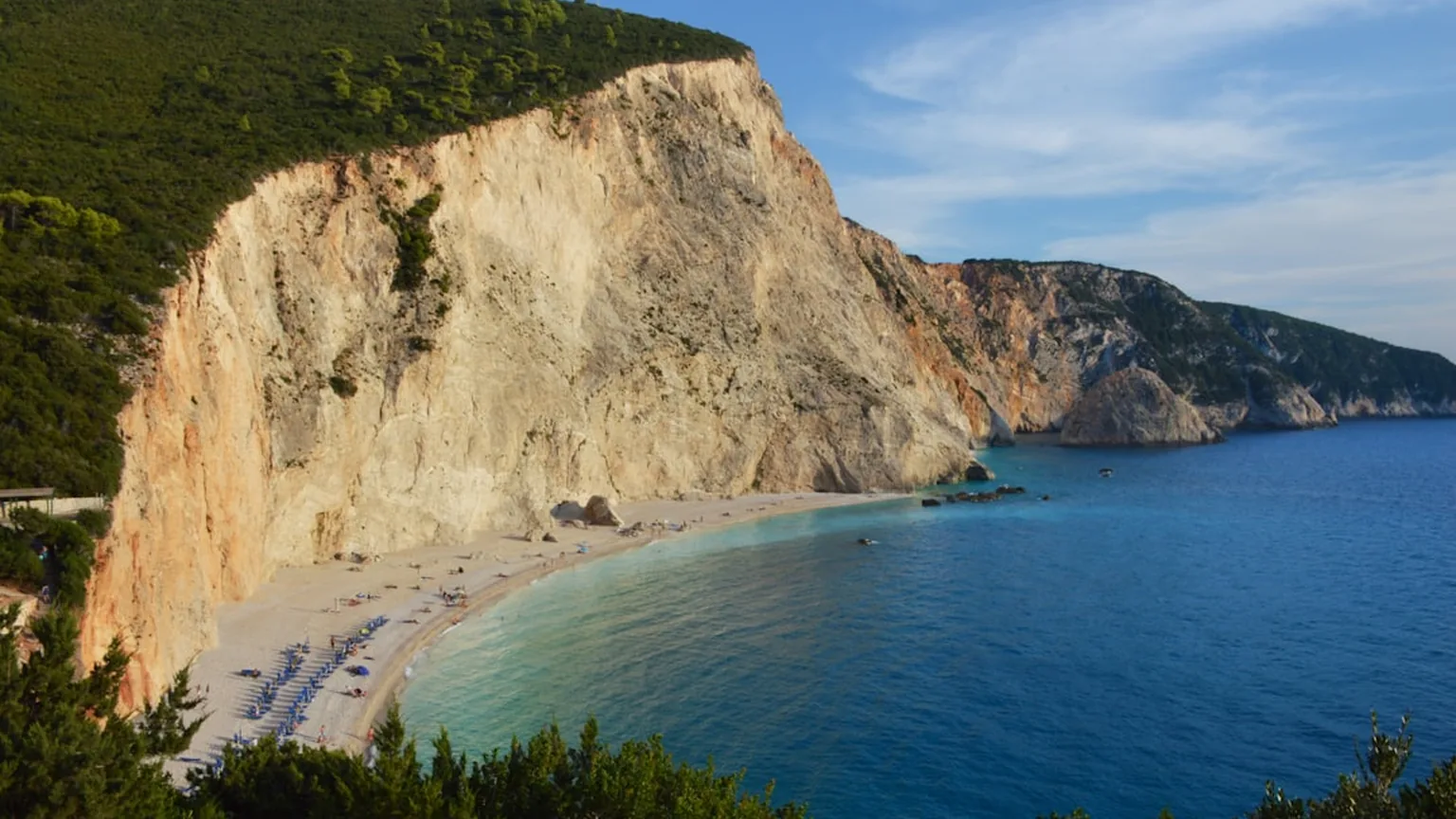
12 Best European Destinations for 2026
Discover the best European destinations for 2026, from hidden gems to iconic cities. Includes budget tips, best times to visit, and planning advice.

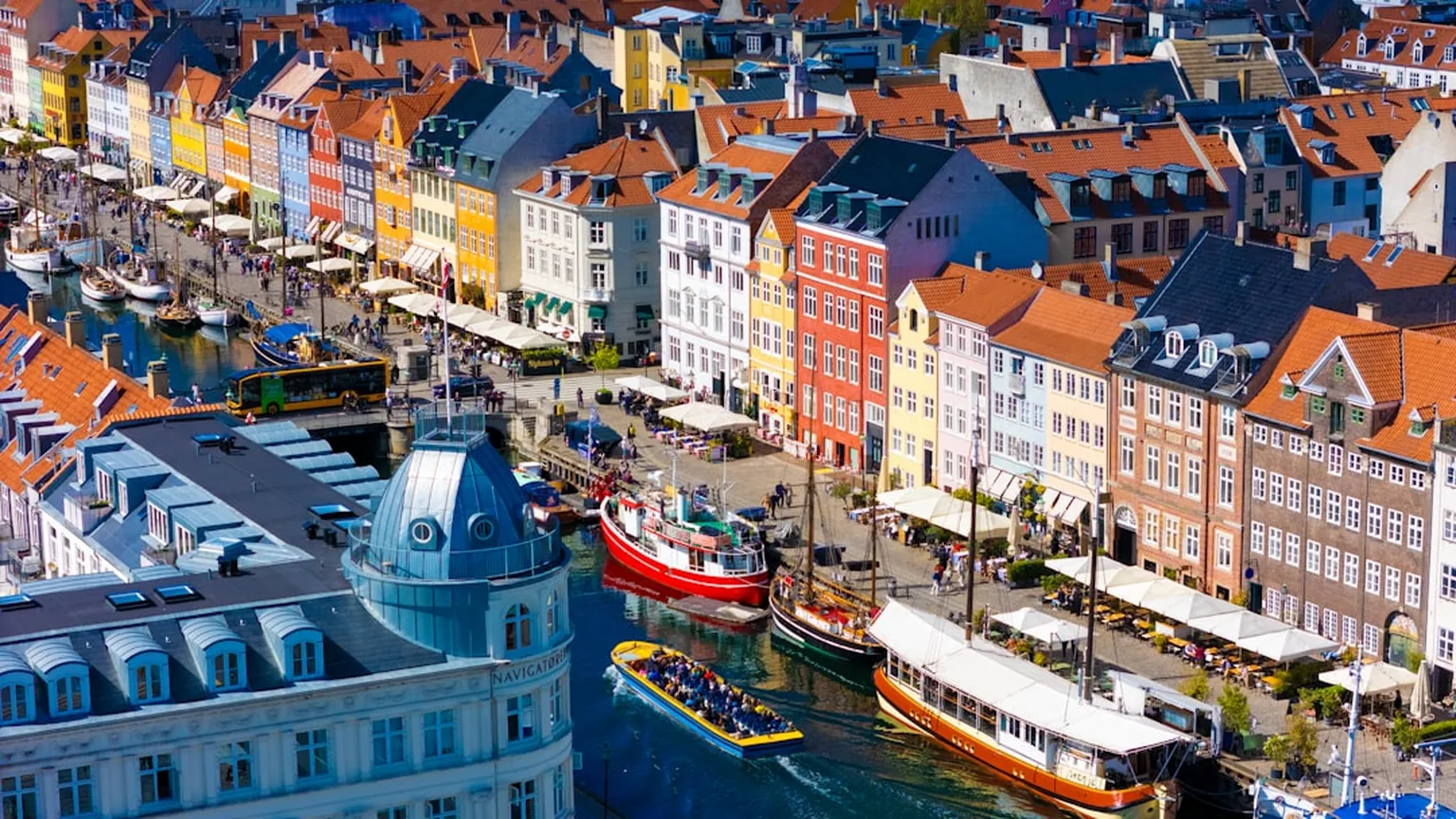
Choosing the best European destinations for 2026 is no small task. The continent offers everything from sun-soaked coastlines and alpine villages to vibrant capitals and UNESCO-listed old towns. Whether you are a first-time visitor crossing the Atlantic or a seasoned European traveler looking for something new, this list balances iconic must-sees with underrated gems that deserve your attention this year.
We selected these twelve destinations based on value for money, cultural richness, ease of travel, and what is happening on the ground in 2026 — new rail links, restored landmarks, major cultural events, and shifting tourism patterns that make certain places especially rewarding right now. For each destination, you will find reasons to visit, the best time to go, and practical budget tips.
If you are still in the early stages of trip research, our how to plan a vacation step by step guide walks you through the full process from budgeting to departure day.
Quick answer: the best European destinations for 2026
- The twelve picks: Porto, Ljubljana, Seville, Tallinn, the Peloponnese, Ghent, Split, the Scottish Highlands, Bologna, Plovdiv, the Azores, and Krakow.
- Best value: Plovdiv, Krakow, and Tallinn. Bulgaria, Poland, and Estonia run 50 to 80 euros per person per day all-in, and a full restaurant meal with wine in Plovdiv costs 10 to 15 euros.
- Go in May-June or September-October. Shoulder season delivers good weather, manageable crowds, and lower prices; Seville regularly exceeds 40 degrees Celsius in July and August.
- Allow two to four days per destination. A single-city trip works in three to five days; a two- or three-city itinerary needs ten to fourteen.
- Take the train for hops under 600 kilometres. Rail beats flying once you count check-in, security, and transfers; fly only for long distances or island destinations like the Azores.
- Sort out ETIAS before you book. US, UK, Canadian, and Australian citizens get 90 visa-free days in the Schengen Area but need the online travel authorisation.
1. Porto, Portugal
Porto has been quietly building its reputation as one of Europe’s most compelling city breaks, and 2026 is the year it fully arrives. The city’s Ribeira waterfront, a UNESCO World Heritage Site, is stunning at any time of year, but new pedestrian zones and restored azulejo-tiled buildings make exploring on foot better than ever.
Why visit in 2026: Porto’s metro expansion opens new lines connecting the airport to the historic centre more efficiently, and several landmark buildings are reopening after multi-year restorations. The city also remains significantly more affordable than Lisbon.
Best time to visit: May through September for warm weather and outdoor dining along the Douro River. October brings the grape harvest season in the nearby Douro Valley, ideal for wine lovers.
Budget tips: Eat at local tascas where a full meal with wine costs under 15 euros. The Porto Card offers free public transport and discounts at museums for 24 to 72 hours. Accommodation in the Cedofeita neighbourhood is considerably cheaper than staying in Ribeira.
2. Ljubljana, Slovenia
Ljubljana is one of Europe’s most walkable capitals, small enough to explore on foot yet packed with culture, excellent food, and a creative energy that punches well above its weight. The car-free city centre, the dragon-topped bridge, and the hilltop castle make it instantly memorable.
Why visit in 2026: Slovenia is investing heavily in sustainable tourism infrastructure, and Ljubljana leads the way with expanded bike-sharing networks, new green spaces, and restored heritage buildings. It is also a perfect base for day trips to Lake Bled and the Julian Alps.
Best time to visit: June through September for warm weather and open-air events. December is magical for the city’s holiday markets and light installations.
Budget tips: Ljubljana is one of the most affordable Western-style capitals in Europe. A quality restaurant dinner rarely exceeds 20 euros per person. Consider a Ljubljana Card for free bus transport and major attractions. Hostels and guesthouses are plentiful and well-reviewed.
3. Seville, Spain
Seville delivers on every level — architecture, food, nightlife, history, and sheer atmosphere. The Alcazar, the cathedral, and the Metropol Parasol are world-class attractions, but the real magic is in the neighbourhoods: Triana’s ceramic workshops, Santa Cruz’s winding lanes, and Alameda’s lively bar terraces.
Why visit in 2026: Seville’s high-speed rail connections to Madrid and Barcelona continue to improve, making multi-city Spanish itineraries easier than ever. The city is also hosting several major cultural festivals throughout the year.
Best time to visit: March through May and September through November. Avoid July and August when temperatures regularly exceed 40 degrees Celsius.
Budget tips: Tapas culture keeps dining costs low — you can eat extremely well by hopping between tapas bars. Many churches and public spaces are free to visit. Stay in the Macarena or Alameda neighbourhoods for better accommodation value than the tourist centre.
4. Tallinn, Estonia
Tallinn’s medieval old town looks like it was lifted from a fairy tale, but the city itself is thoroughly modern — a digital-first capital with a thriving tech scene, contemporary food culture, and some of the best-preserved Gothic architecture in Northern Europe.
Why visit in 2026: Estonia’s digital infrastructure makes travel logistics seamless. New direct flight routes from several European cities are making Tallinn more accessible than ever. The Tallinn Music Week and other cultural festivals continue to draw international attention.
Best time to visit: June through August for long daylight hours and outdoor festivals. December for Christmas markets and a snow-dusted old town.
Budget tips: Tallinn is far more affordable than Scandinavian capitals. Eat at lunch spots offering daily set menus for under 10 euros. The Tallinn Card covers public transport and most museums. Accommodation in the Kalamaja neighbourhood offers great value and a vibrant local food scene.
5. The Peloponnese, Greece
While everyone flocks to the Greek islands, the Peloponnese peninsula offers ancient ruins, pristine beaches, and mountain villages with a fraction of the crowds. Nafplio, Monemvasia, and Olympia alone would justify the trip, but the entire region is rich with undiscovered corners.
Why visit in 2026: New road improvements and expanded ferry connections make the Peloponnese easier to navigate. The region is also gaining recognition among food and wine travellers, with new boutique wineries and farm-to-table restaurants opening in smaller towns.
Best time to visit: May through June and September through October for comfortable temperatures and manageable crowds. July and August are hot but perfect for beach time.
Budget tips: Rent a car to access smaller villages where accommodation and dining are remarkably cheap. Family-run tavernas serve generous portions for 8 to 12 euros per plate. Wild camping is not legal, but affordable agrotourism stays are plentiful. Skip the resort towns and eat where locals eat.
6. Ghent, Belgium
Ghent is the Belgian city that locals love and tourists often overlook in favour of Bruges and Brussels. It has the medieval architecture and canals of Bruges with the energy of a university town, plus a food scene that rivals anything in Belgium.
Why visit in 2026: Ghent continues to expand its car-free zones, making the historic centre even more pleasant to explore. The Ghent Festival, held each July, is one of Europe’s largest cultural events and draws visitors from across the continent. New museum exhibitions and restaurant openings keep the city fresh.
Best time to visit: April through October for mild weather. July for the ten-day Ghent Festival. December for winter markets.
Budget tips: The Gentse Waterzooi (a local stew) and Belgian frites from street vendors are affordable and delicious. Many of Ghent’s churches and public buildings are free to enter. Accommodation is cheaper than Brussels and significantly cheaper than Bruges during peak season.
7. Split, Croatia
Split combines a living Roman palace (Diocletian’s Palace forms the actual city centre), a beautiful waterfront Riva promenade, and easy access to some of Croatia’s best islands. It is a city with genuine character, not just a cruise port stop.
Why visit in 2026: New catamaran and ferry routes connect Split to more islands than ever. The city has also been investing in cultural infrastructure, with restored historic spaces now hosting galleries, performance venues, and artisan markets.
Best time to visit: May through June and September for warm weather without peak-season crowds. July and August are busy but offer the best swimming weather.
Budget tips: Eat at konobas (traditional restaurants) in the backstreets rather than the waterfront for better value. The Green Market sells fresh produce for picnic lunches. Book accommodation in the Manus or Bacvice neighbourhoods rather than inside the palace walls. Ferries to nearby islands like Brac and Solta are affordable and quick.
8. The Scottish Highlands, United Kingdom
The Scottish Highlands offer landscapes that rival anything in Iceland or Norway — rugged mountains, mirror-still lochs, ancient castles, and vast open moors — at a fraction of the distance for European travellers. The region rewards slow travel and outdoor exploration.
Why visit in 2026: The North Coast 500 driving route continues to improve with better signage, charging stations for electric vehicles, and new small-scale accommodations along the route. Scotland’s whisky trail also draws dedicated visitors year-round.
Best time to visit: May through September for the best weather and longest days. Autumn (September-October) brings spectacular foliage and fewer tourists. Be prepared for rain at any time of year.
Budget tips: Wild camping is legal in Scotland under the right-to-roam laws. Self-catering cottages split among a group offer excellent value. Pack layers and waterproof gear to avoid buying expensive outdoor clothing on arrival. Many castles and historic sites are free to visit or covered by Historic Scotland memberships.
9. Bologna, Italy
Bologna is Italy’s best-kept secret for food lovers. The capital of Emilia-Romagna is where ragu, tortellini, mortadella, and Parmigiano-Reggiano come from, and the local food culture is deeply serious. Beyond the food, the city has stunning porticoes (UNESCO-listed), a vibrant university atmosphere, and excellent day-trip access to Modena, Parma, and Ravenna.
Why visit in 2026: Bologna’s porticoes received UNESCO recognition in recent years, driving thoughtful restoration projects across the city. The food scene continues to evolve with younger chefs reinterpreting Emilian classics. It is also a major rail hub, making it an ideal base for a multi-city Italian itinerary.
Best time to visit: April through June and September through October for comfortable weather and local events. Summer is warm but the city empties in August as locals leave for vacation.
Budget tips: Skip tourist-trap restaurants near the Two Towers and eat in the university quarter or the Mercato delle Erbe food hall. Aperitivo culture means a drink purchase often comes with a generous buffet of snacks. Bologna is significantly cheaper than Florence, Rome, or Milan for both accommodation and dining.
10. Plovdiv, Bulgaria
Plovdiv is one of Europe’s oldest continuously inhabited cities, and it wears that history beautifully. Roman amphitheatres, Ottoman mosques, Bulgarian Revival architecture, and contemporary street art coexist in a compact, walkable centre that feels genuinely alive.
Why visit in 2026: Since its stint as European Capital of Culture, Plovdiv has continued to invest in arts infrastructure and public spaces. The creative district of Kapana is packed with independent galleries, cafes, and boutiques. Bulgaria’s low cost of living makes Plovdiv one of the best-value destinations in the entire EU.
Best time to visit: May through October for warm, dry weather. June’s Kapana Fest is a highlight. September brings the harvest season with food and wine festivals.
Budget tips: Plovdiv is genuinely cheap. A full restaurant meal with wine can cost 10 to 15 euros. Accommodation ranges from 20 to 50 euros per night for a well-reviewed hotel. The Roman Theatre and most of the old town are free to explore. Regional buses and trains to the Rhodope Mountains and other Bulgarian highlights are extremely affordable.
11. The Azores, Portugal
The Azores are Europe’s answer to Hawaii — volcanic islands in the mid-Atlantic with crater lakes, hot springs, whale watching, and landscapes that shift from lush green to dramatic black basalt. Sao Miguel is the most accessible island and offers enough variety for a full week.
Why visit in 2026: Budget airline routes to the Azores continue to expand, making the islands more accessible from mainland Europe and North America. The archipelago is committed to sustainable tourism and has avoided the over-development that affects some Mediterranean islands.
Best time to visit: June through September for the warmest and driest weather, though the Azores have a mild climate year-round. Whale watching peaks from April through June.
Budget tips: Rent a car on Sao Miguel to explore independently — public transport is limited. Many natural attractions (hot springs at Caldeira Velha, the Sete Cidades crater lakes, coastal trails) are free or cost a few euros. Eat at local restaurants rather than hotel dining rooms. Consider visiting Terceira or Faial for even fewer tourists and lower prices.
12. Krakow, Poland
Krakow is one of Europe’s most rewarding cities for history, culture, and nightlife. The main square (Rynek Glowny) is the largest medieval town square in Europe, the Kazimierz district is a hub for bars, restaurants, and live music, and the city’s proximity to Auschwitz-Birkenau and the Wieliczka Salt Mine gives it unmatched day-trip options.
Why visit in 2026: Poland’s rail network continues to modernize, making Krakow easier to reach from Warsaw, Wroclaw, and other Polish cities. The food scene has matured dramatically, with a new generation of chefs elevating traditional Polish cuisine. Krakow also remains one of the best-value major cities in Europe.
Best time to visit: May through September for warm weather and outdoor events. December for Christmas markets and pierogi. The city is lively year-round thanks to its large student population.
Budget tips: Eat at milk bars (bar mleczny) for traditional Polish food at rock-bottom prices. Many museums offer free entry on one day per week — check schedules in advance. Accommodation in Kazimierz or Podgorze is cheaper and often more interesting than staying on the main square. The Krakow Card covers public transport and major museums.
Planning Your Best European Destinations 2026 Trip
Visiting even a few of these destinations can fill a deeply rewarding trip. Here are some practical tips for building your European itinerary.
Use rail connections wisely. Many of these destinations are connected by excellent train networks. Porto to Seville, Bologna to Split (via a connection), Ghent to Tallinn (via overnight routes) — European rail makes multi-city trips feasible without flying.
Do not overpack your itinerary. Two to four days per destination lets you experience a place rather than just photograph it. Our vacation planning timeline guide helps you figure out how long to spend where. Working with a single week? Our how to plan a 7-day Europe trip with AI guide includes two ready-to-copy sample itineraries.
Budget for variety. Mixing affordable destinations (Plovdiv, Krakow, Tallinn) with pricier ones (the Azores, the Scottish Highlands) keeps your overall trip budget manageable. Check our guide on how to plan a vacation on a budget for detailed strategies.
Let AI handle the logistics. Planning a multi-destination European trip involves dozens of decisions about timing, routing, and accommodation. Vacation Planner features an AI vacation planning expert that generates personalised itineraries based on your destinations, interests, and budget. Instead of juggling spreadsheets and browser tabs, you get a structured plan you can refine and share with your travel companions.
If you are planning your first trip abroad, our how to plan an international trip for the first time guide covers passports, visas, and everything else you need to know before you leave. Aiming for July or August in particular? See our summer vacation planning 2026 guide for booking windows, crowd timing, and heatwave-aware itinerary tips.
Frequently Asked Questions
What is the cheapest country to visit in Europe in 2026?
Bulgaria, Poland, and Estonia offer the best value among EU countries. Plovdiv and Krakow in particular provide exceptional food, culture, and accommodation at a fraction of what you would spend in Western Europe. Daily budgets of 50 to 80 euros per person comfortably cover accommodation, meals, transport, and activities in these destinations.
How many days do I need for a European trip?
It depends on how many destinations you plan to visit. A single-city trip can be rewarding in three to five days. A multi-city itinerary covering two to three destinations works well in ten to fourteen days. Avoid rushing — two to four days per city lets you experience the local culture rather than just see the highlights.
Do I need a visa to travel to Europe in 2026?
Citizens of the US, UK, Canada, Australia, and several other countries can enter EU Schengen Area countries for up to 90 days without a visa. The EU’s ETIAS (European Travel Information and Authorisation System) requires travellers from visa-exempt countries to obtain an online travel authorisation before arrival. Check the latest requirements for your nationality before booking.
What is the best time of year to visit Europe?
Late spring (May-June) and early autumn (September-October) offer the best combination of pleasant weather, manageable crowds, and reasonable prices. Summer (July-August) is peak season with the warmest weather but also the highest prices and largest crowds. Winter can be excellent for Christmas markets, skiing, and lower prices, though daylight hours are short in northern destinations.
How can I plan a multi-city European trip efficiently?
Use an AI-powered planning tool like Vacation Planner to generate a personalised itinerary that accounts for travel times between cities, local highlights, and your budget. The AI handles the research and logistics, letting you focus on choosing destinations and refining the plan. You can also share the itinerary with travel companions for easy coordination.
Is it better to fly or take trains between European cities?
For distances under 600 kilometres, trains are usually more convenient when you factor in airport check-in times, security, and transfers. European rail networks are extensive, and many of the destinations on this list are well connected by high-speed or intercity rail. For longer distances or island destinations like the Azores, flying is the practical choice.